
Introduction
Laparoscopic colorectal surgery is a modern way to treat problems in the colon or rectum. Instead of making a large cut, doctors use small cuts and special tools. Because of this, laparoscopic colorectal surgery is becoming more popular. Many people choose it because it often means a better recovery. In this blog, you will learn why this type of surgery may help you heal faster and feel better sooner.
What is Laparoscopic Colorectal Surgery?
Laparoscopic colorectal surgery is a type of minimally invasive colorectal surgery. During this procedure, the surgeon makes a few small cuts in your belly. Then, they insert a tiny camera and special tools through these cuts. The camera shows the inside of your body on a screen. This helps the surgeon see and work on your colon or rectum without making a large opening.
Doctors use this surgery to treat many conditions, such as:
How Does It Differ from Traditional Surgery?
Traditional colon surgery, also called open surgery, uses one large cut in the belly. In contrast, laparoscopic colon surgery uses several small cuts. Because of this, the surgeon can work with less damage to your skin and muscles. Also, the smaller cuts usually mean less pain and a quicker return to normal activities.
Here are some key differences:
Benefits for Recovery
There are many benefits of laparoscopic colon surgery for recovery. For example, you may:
According to the Centers for Disease Control and Prevention (CDC), minimally invasive surgery often leads to fewer problems after surgery. Because of these benefits, many doctors now recommend laparoscopic colorectal surgery when possible.
Who is a Candidate for Laparoscopic Colorectal Surgery?
Not everyone can have laparoscopic colorectal surgery. However, many people are good candidates. You may be a candidate if you:
On the other hand, some people may need open surgery. For example, if you have a large tumor or lots of scar tissue, your doctor may suggest a different approach. Always talk to your surgeon to see what is best for you.
What to Expect Before, During, and After the Procedure
Before Surgery
First, your doctor will explain the procedure. You may need some tests, such as blood work or scans. Also, you will get instructions on when to stop eating and drinking before surgery.
During Surgery
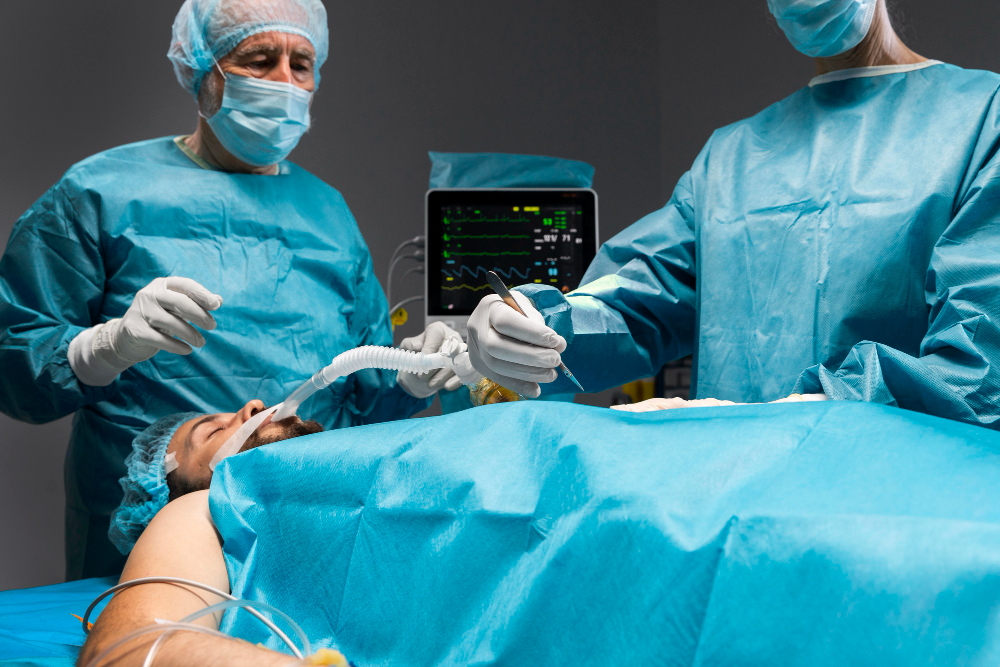
During laparoscopic colorectal surgery, you will be asleep under anesthesia. The surgeon will make small cuts and use a camera and tools to do the surgery. The whole process usually takes a few hours.
After Surgery
After surgery, you will wake up in a recovery area. Because the cuts are small, you may feel less pain. Most people can start moving around soon. You may go home in a few days, depending on how you feel.
Tips for a Smooth Recovery at Home
Once you are home, it is important to take care of yourself. Here are some tips for a smooth recovery:
With these steps, you can help your body heal faster and avoid problems.
Frequently Asked Questions
Conclusion
Laparoscopic colorectal surgery offers many benefits, such as less pain and a faster recovery. Because of these advantages, more people are choosing this minimally invasive option. However, it is important to talk to your doctor to see if it is right for you. Consult a gastroenterologist or colorectal surgeon for personalized advice on laparoscopic colorectal surgery.